Sculpture Museum
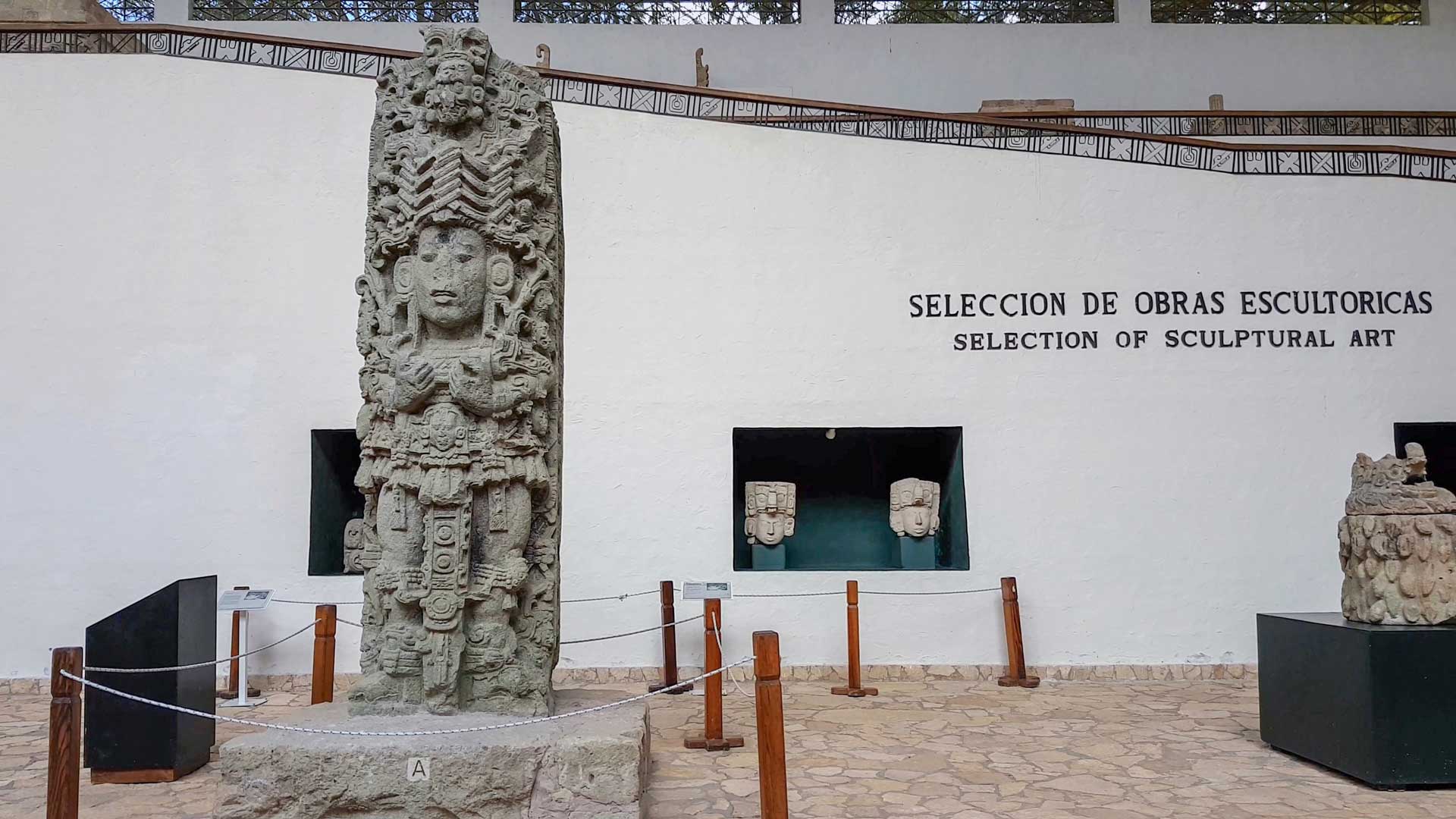
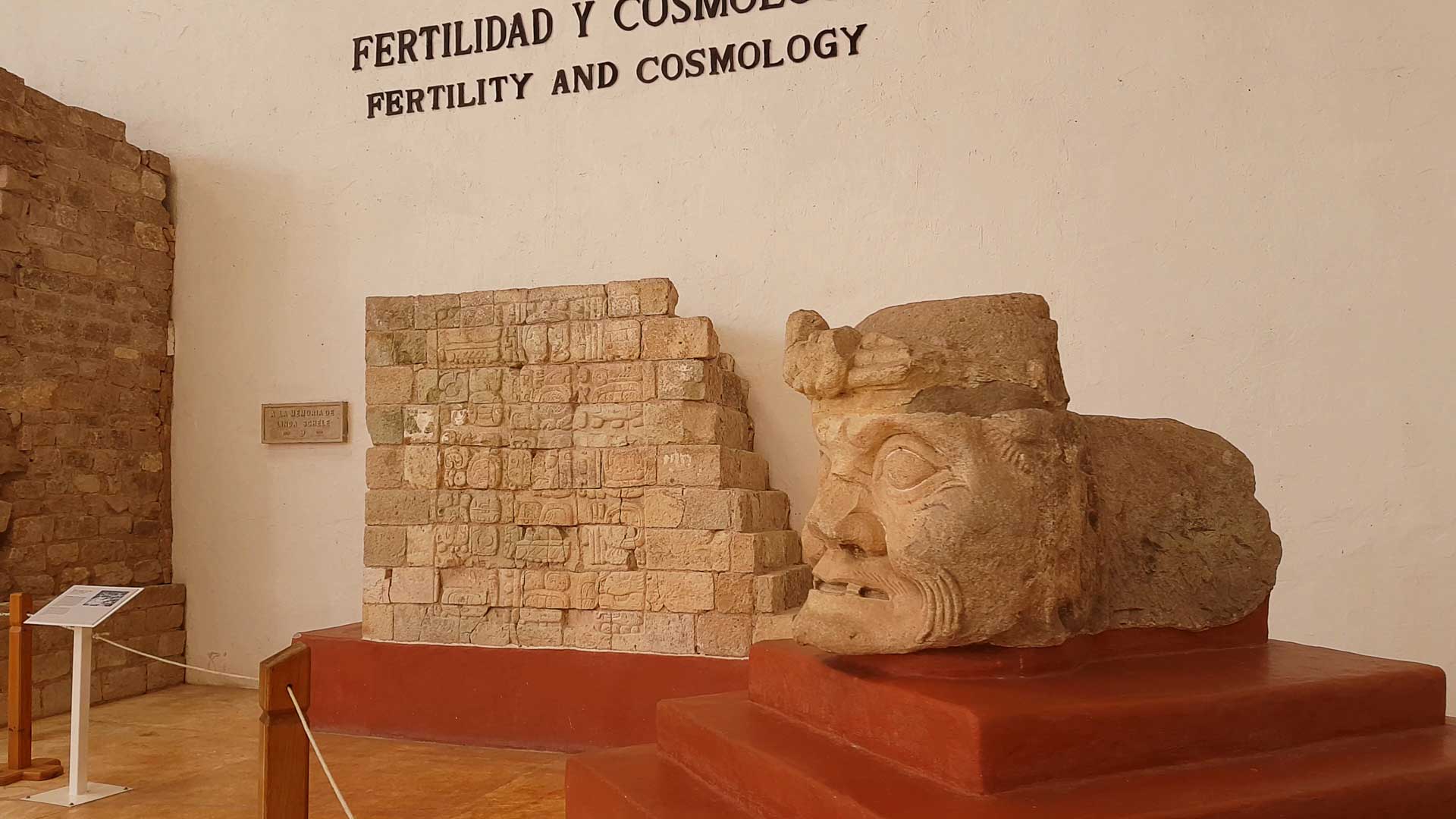
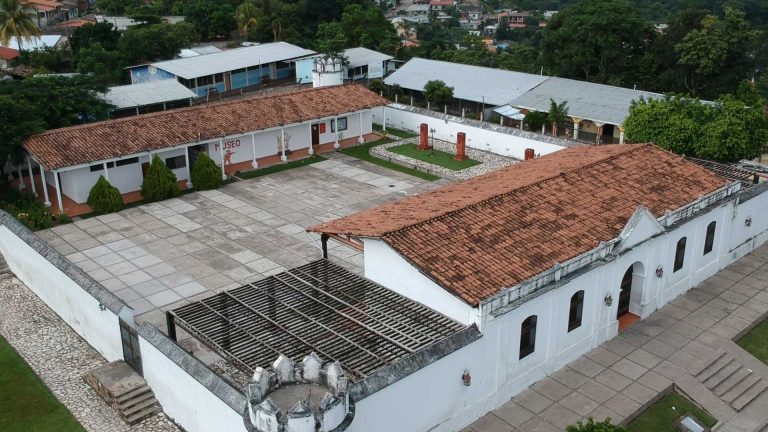
One of the most outstanding projects that Asociacion Copán achieved has been the Sculpture Museum of Copán (1993-1996). The first years of the Association were dedicated to rescuing the sculpture of Copán from the elements and put it into storage. Asociación Copan then searched for funds necessary to build an enormous, but subtle building to house this rescued sculpture. The final phase was to design and manage the construction of the building as it took shape. We are very proud of our role in the creation of this important Central American Museum.
Designed to respect the ancient landscape there were many challenges in the design of this important museum. It needed to be close to, but not intrusive to, the archaeological site of Copán, a World Heritage site, thus declared by UNESCO.
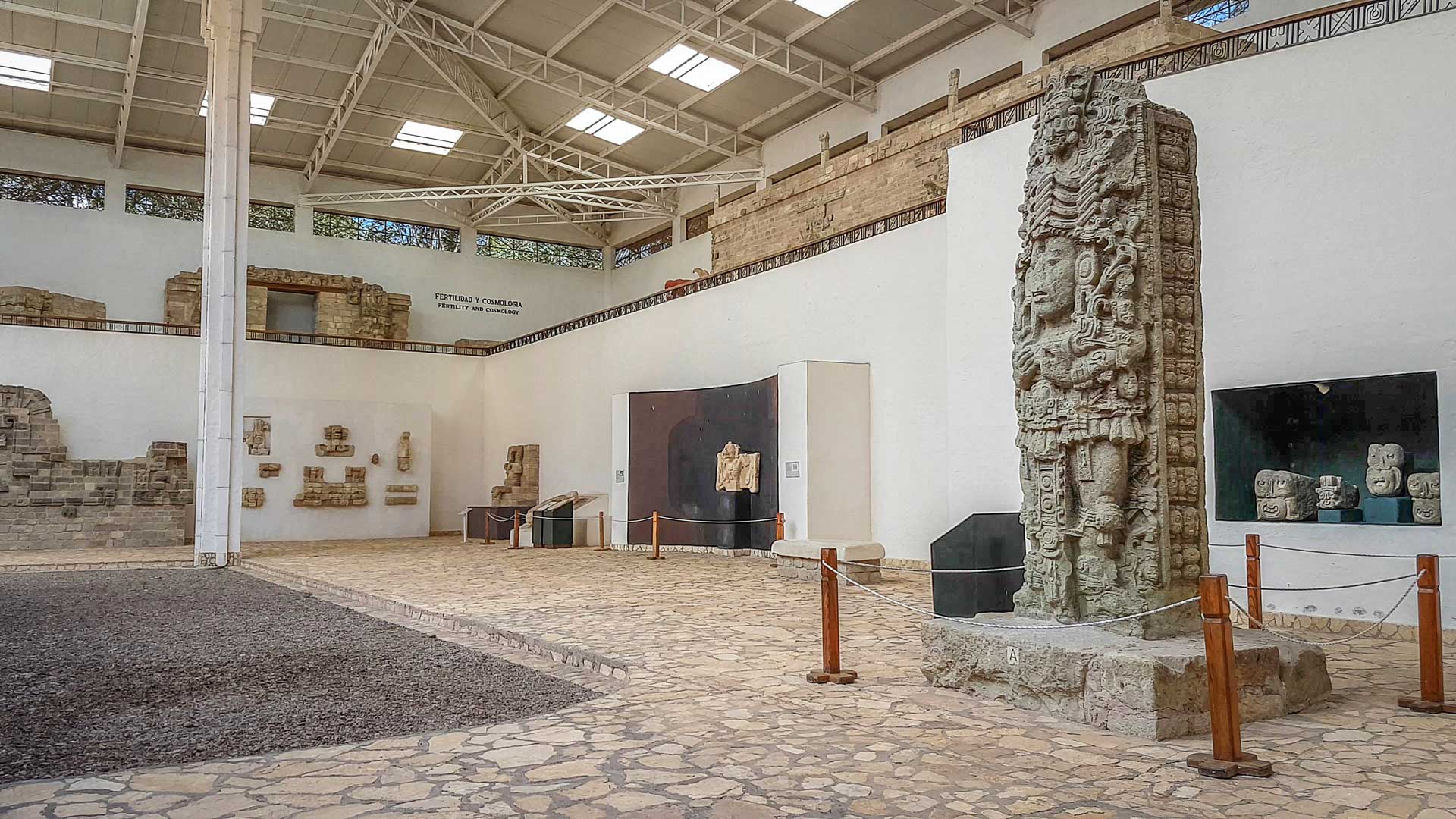
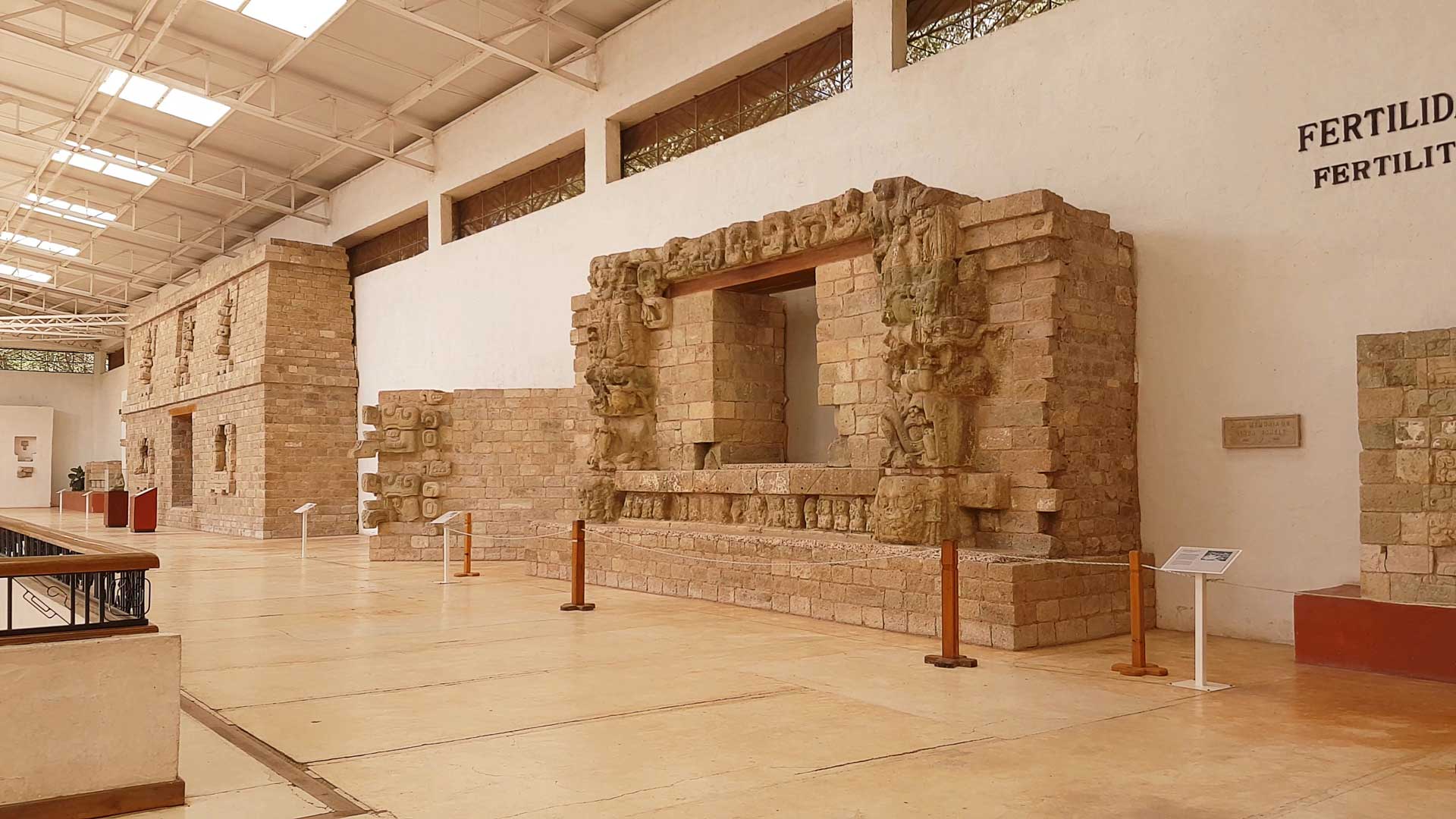
Because of inconsistent electricity in Copán, it was necessary to make use of natural light and ventilation. This meant leaving the building open to the elements but also giving sufficient protection to the precious and ancient sculpture. The building design needed to be large enough to house thousands of sculptures and totally rebuilt ancient buildings, but also integrate into the natural surroundings. In realizing this challenging vision, archaeologists William Fash and Ricardo Agurcia, artist Bárbara Fash, architect Angela Stasano, and curator Rudy Larios worked together.
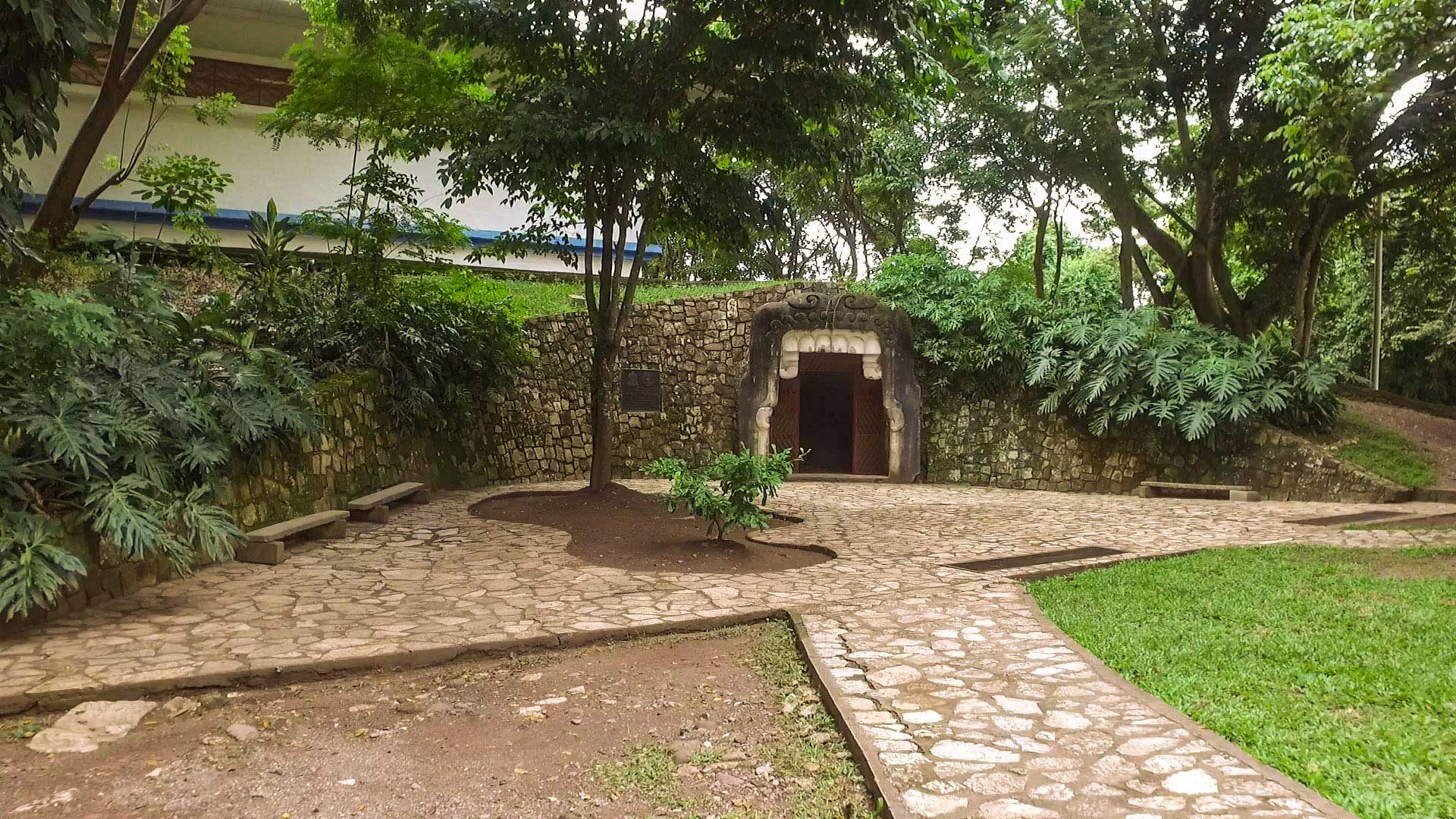
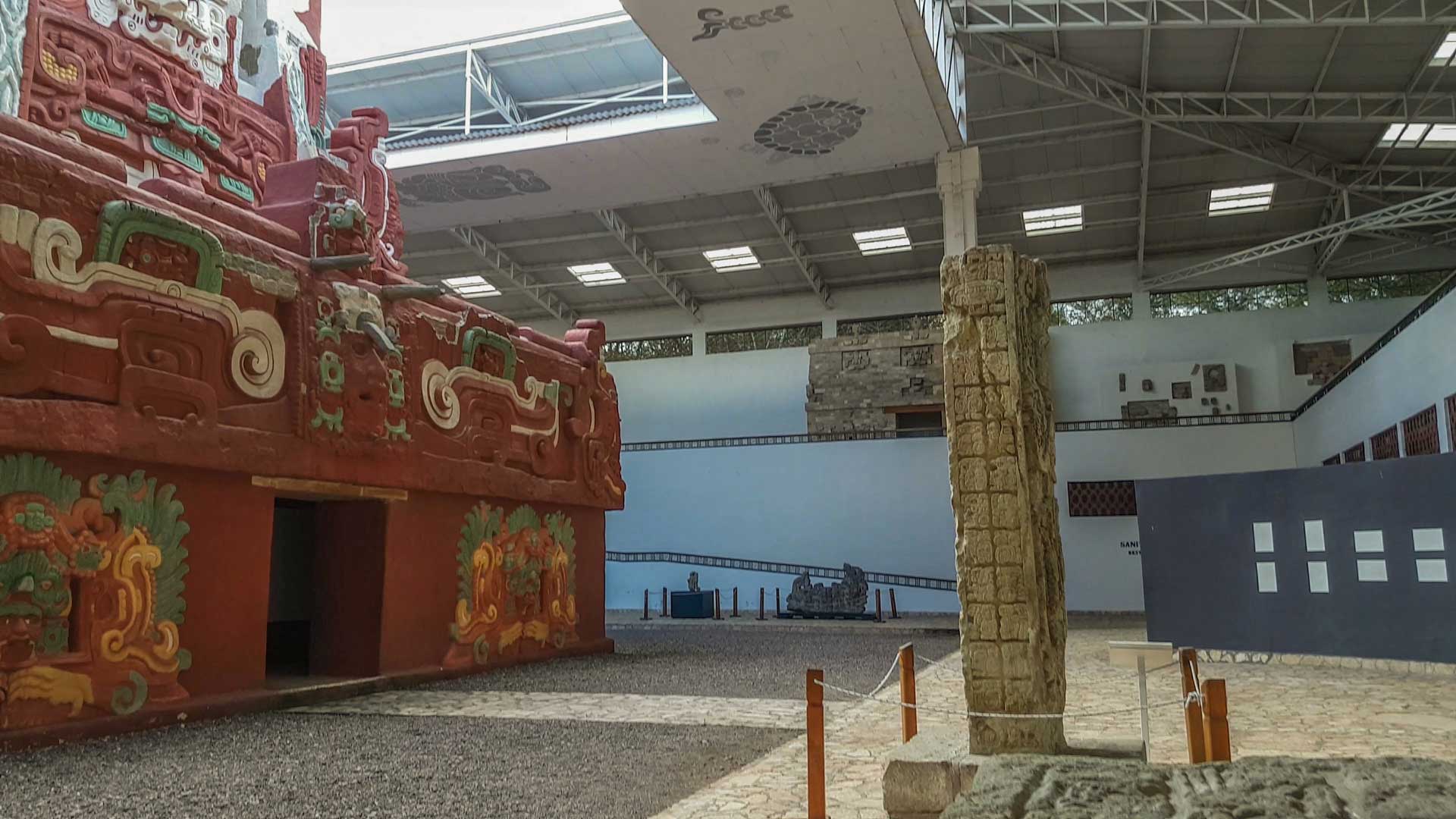
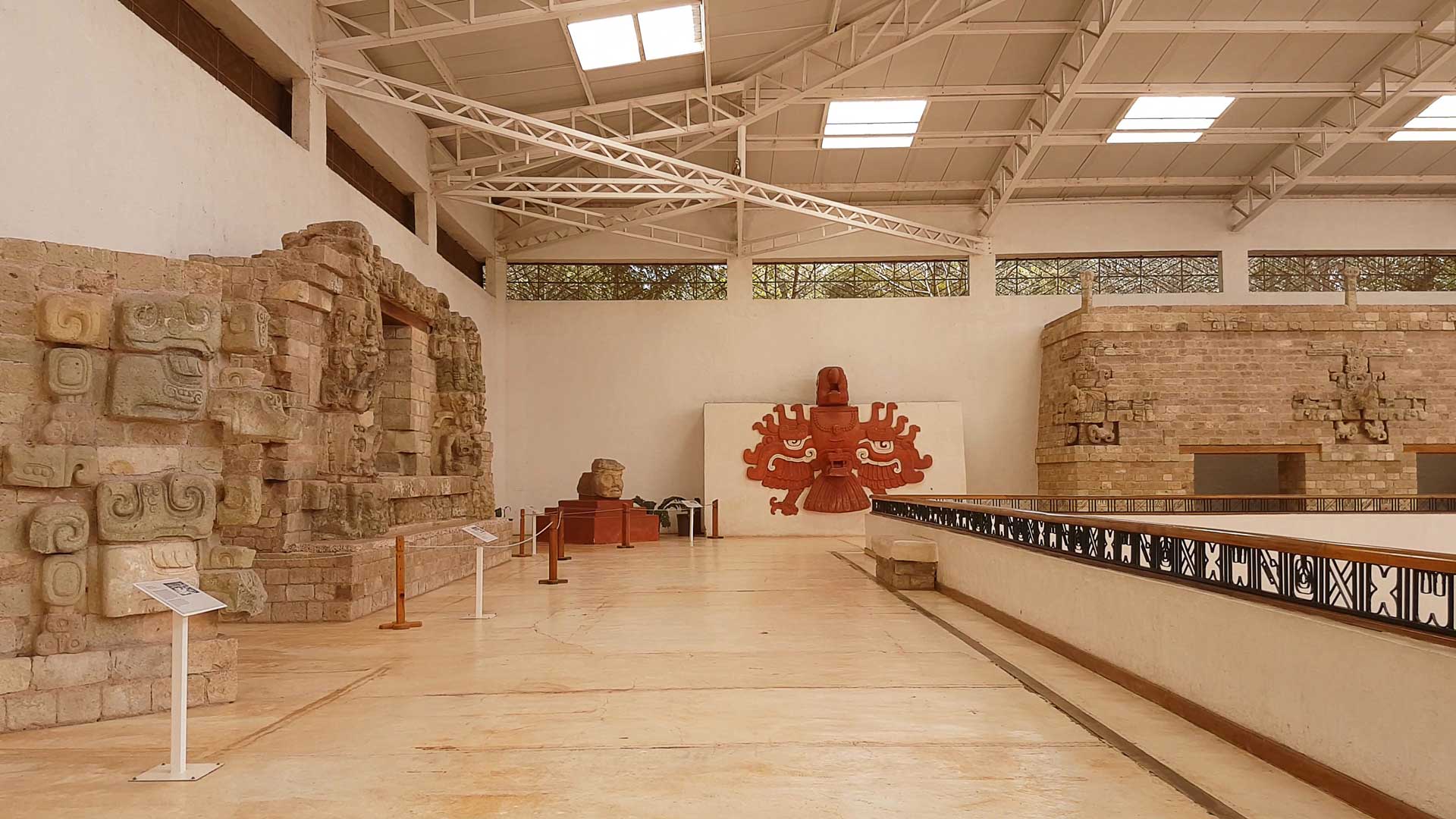
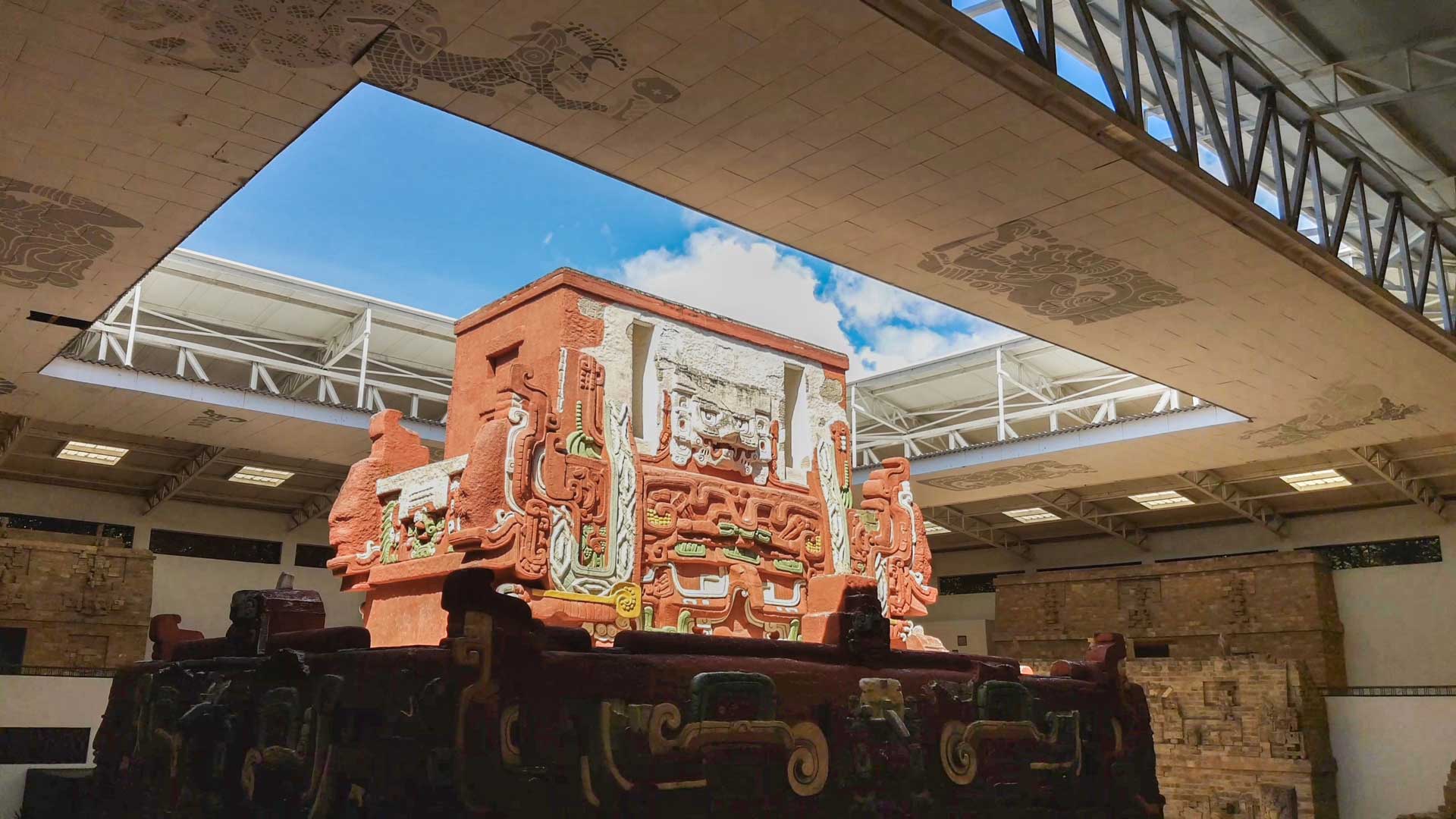
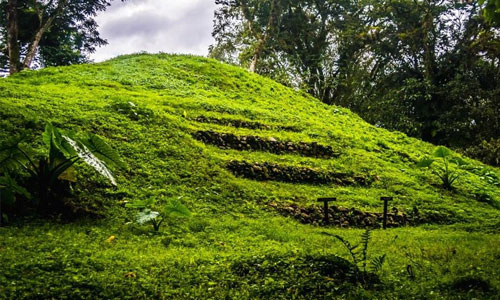
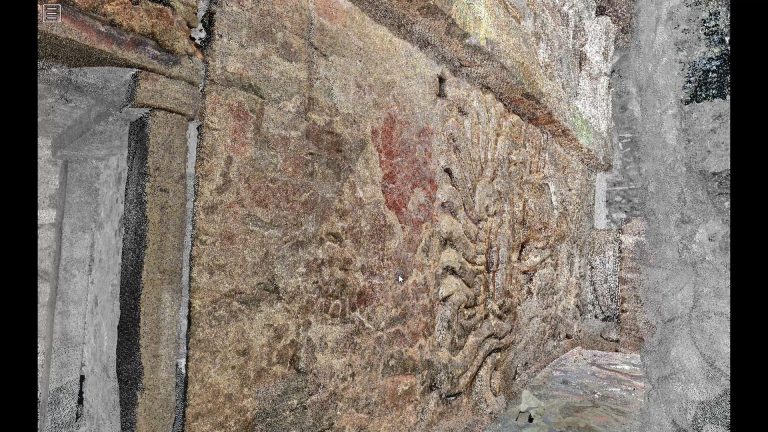
This gigantic museum does not interrupt the visual landscape of the ancient archaeological site as most of the structure is below the surface, covered by a tree-covered burial mound. Visitors enter through stylized jaws of a mythical serpent that Mayan rulers used to communicate with their dead ancestors. Following a 50 meter long tunnel, which represents the body of the serpent, the visitor is symbolically transported to the past. The visitor ithen enters an enormous courtyard dominated by a vibrant full-color, scale replica of Rosalila.
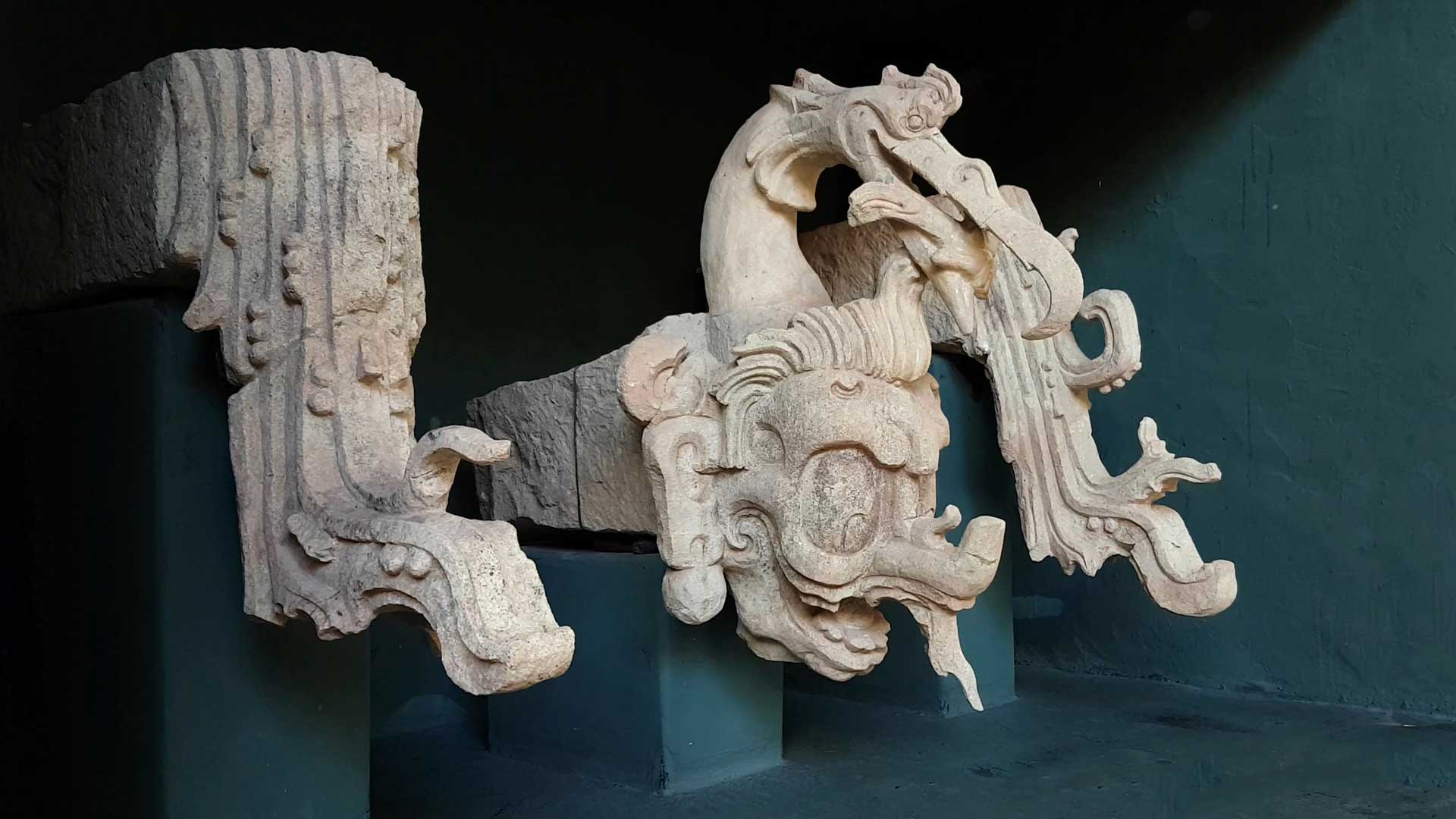
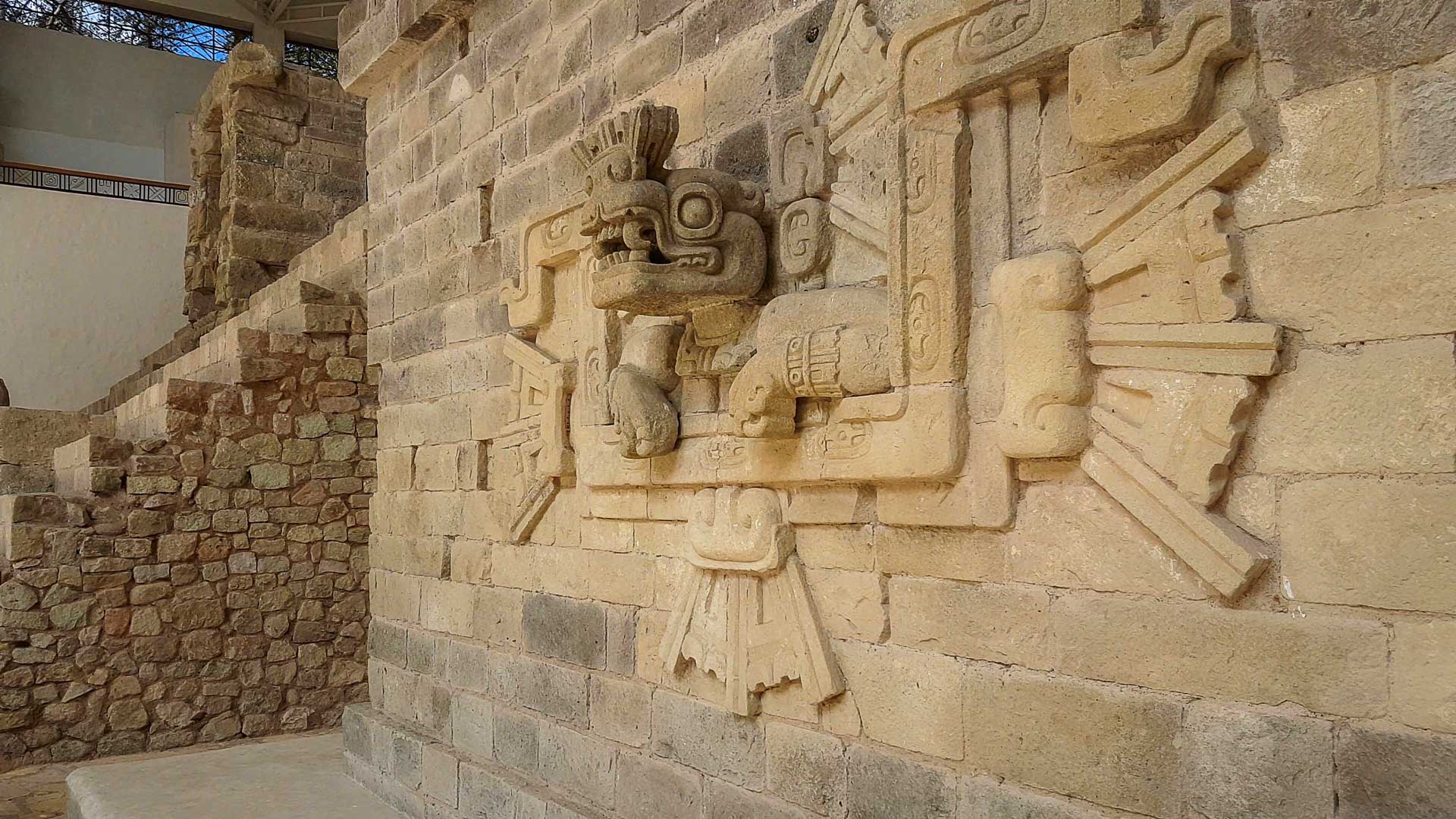
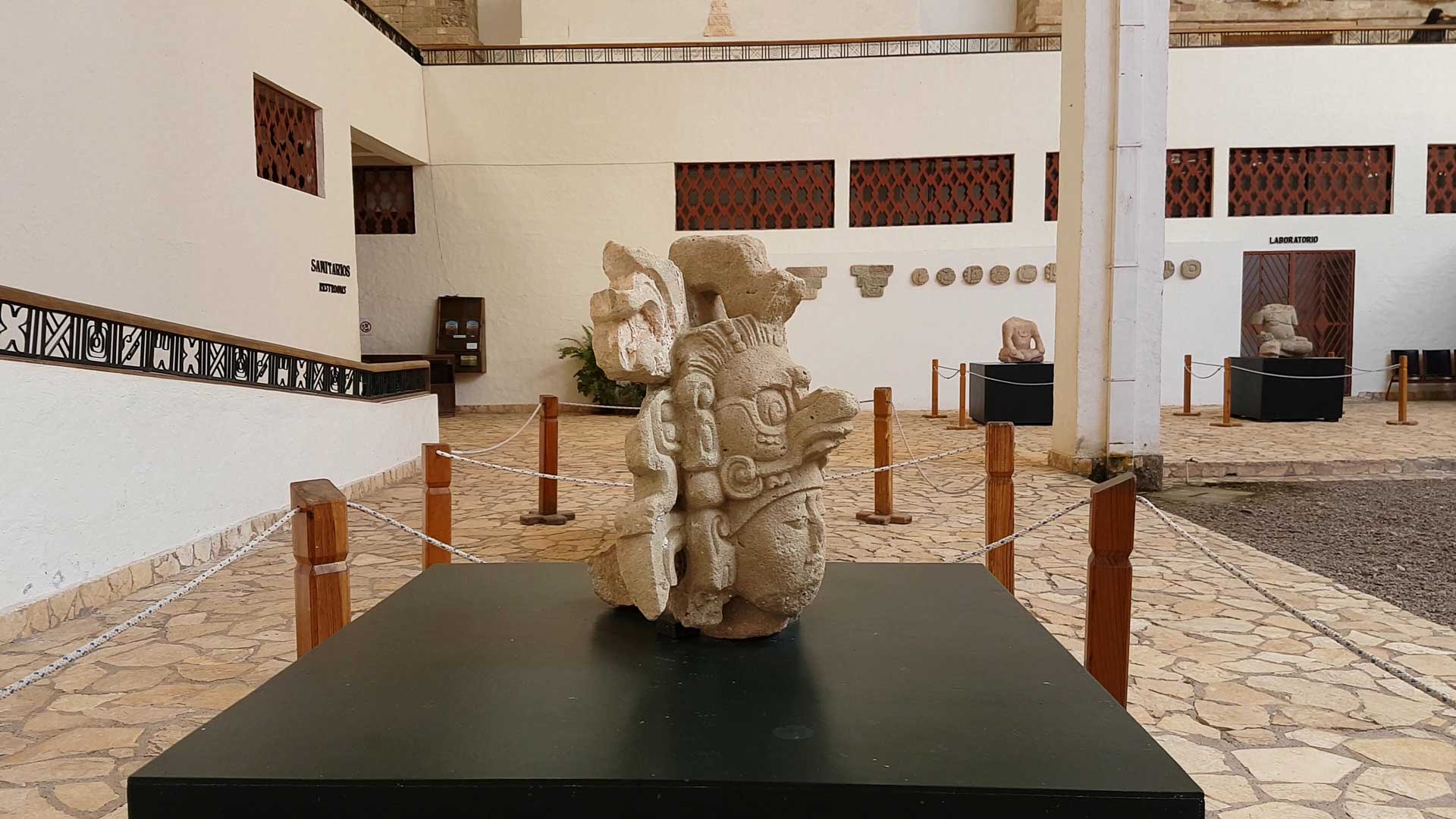
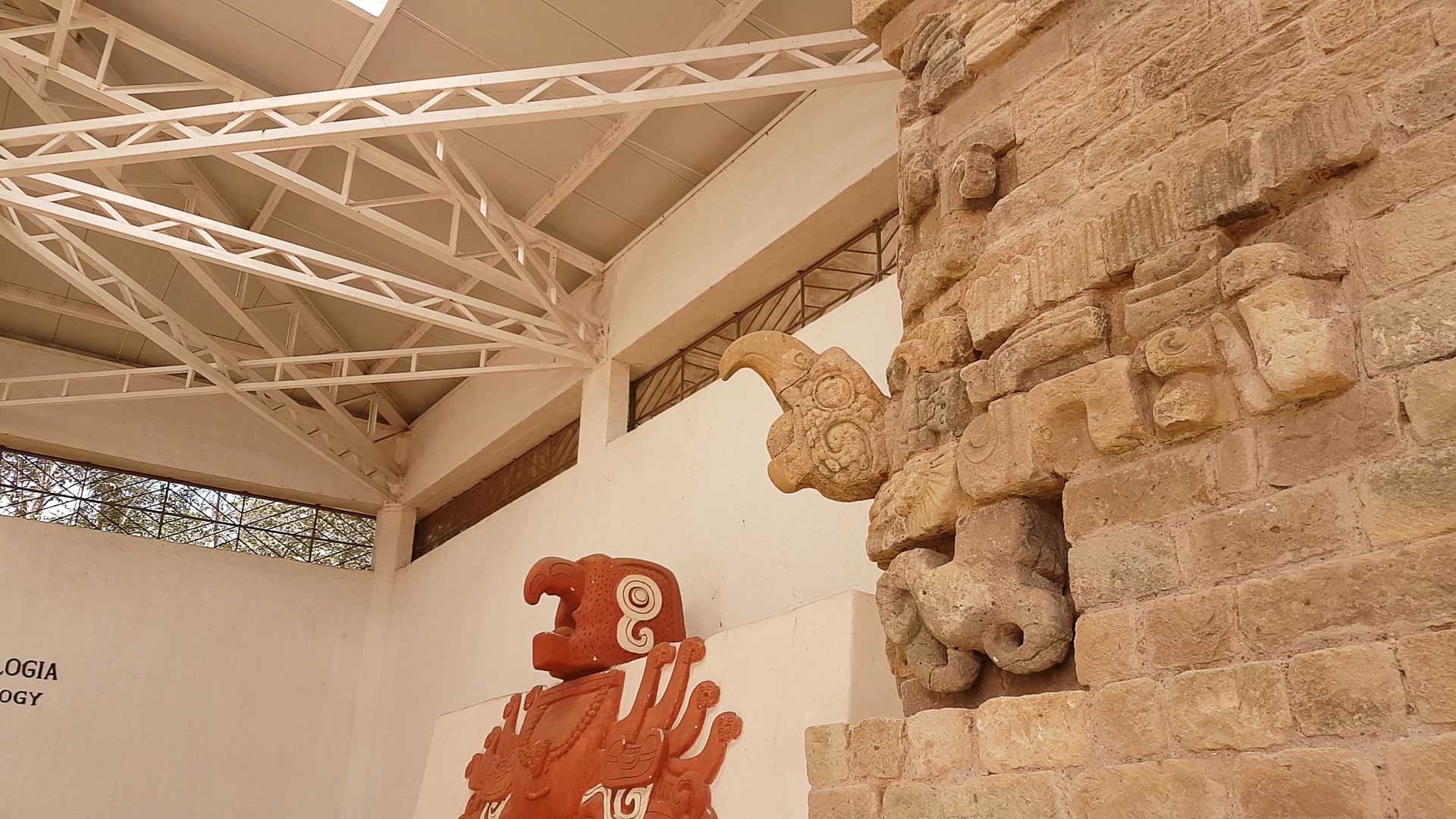
The museum consists of 4,000 square meters of construction arranged on two levels. It is in this building that some of the most extraordinary sculpture from Copan is exhibited.